Blog

  • Shadows in State Care — Part 1

    The Oversight Series Begins

    Over the last few weeks, I have received multiple whistleblower complaints regarding Louisiana’s Office of Juvenile Justice (OJJ), specifically involving conditions inside state-run youth facilities.

    The allegations include unsafe living conditions, staffing shortages, potential PREA compliance concerns, documentation irregularities, retaliation against employees who reported misconduct, sexual assault allegations, and questions about internal oversight and transparency. Some complaints also raise concerns about how incidents involving youth safety and facility operations were handled.

    I am currently reviewing documentation, interviewing sources, and requesting official responses. I will be releasing a series outlining the nature of these complaints, the policies involved, and the responses from leadership. My focus is transparency, accountability, and the welfare of youth in state custody.

    The identities of whistleblowers and victims will remain protected.

    If you have direct knowledge or documentation related to these facilities, you may contact me confidentially.

    Disclaimer: The matters described above are allegations made by whistleblowers and sources. They have not been adjudicated in court. All individuals and agencies mentioned are presumed to have acted lawfully unless proven otherwise. This reporting will present claims, documentation, and official responses as they are obtained.

  • OJJ Employee Arrested at Swanson Center

    OJJ Employee Arrested at Swanson Center

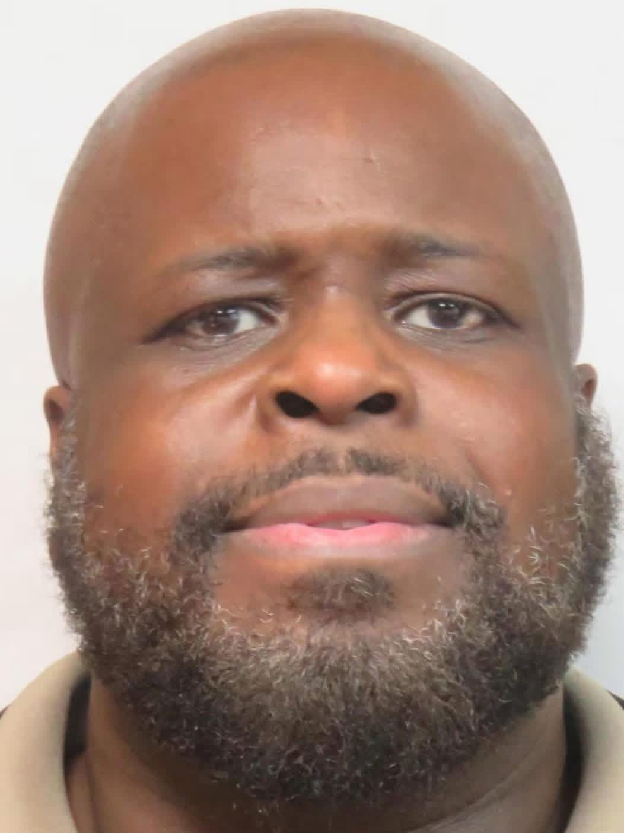
    Reginald Williams, 52, who had worked as a Juvenile Justice Specialist Supervisor with OJJ since 2020, was caught with six bags of THC gummies totaling 70 pieces hidden in his undergarments during a security check at the Swanson Center for Youth, according to investigators. He was arrested and taken to the Ouachita Correctional Center, and OJJ confirmed he was terminated from his position immediately following the arrest.

    CAN Report Image

  • Ouachita Parish Fire Department — Chief Robert Moore Interview

    In a sit-down interview, Robert Moore, Fire Chief of the Ouachita Parish Fire Department, said the department’s mission is simple: to serve the public and meet community needs.

    “We’re here to help,” Moore said. “I just don’t think people realize everything we do.”

    Many residents only interact with the fire department during emergencies, but Chief Moore says the department provides far more services than most people realize. He has served with the department for nearly 15 years and brings more than 35 years of public safety experience to the role.

    Ouachita Parish operates as one unified fire district, covering nearly the entire parish outside of Monroe and West Monroe. Unlike many areas in Louisiana that rely on small volunteer districts, Ouachita Parish runs as a coordinated system with 15 fire stations, with a 16th station planned along Highway 80 near Trapp Field, currently projected for 2028.

    While fire suppression is a core responsibility, about 80% of calls are medical. Many firefighters are paramedic-certified and provide advanced life support, often arriving before ambulance services. The department is also the only local agency with mechanical CPR devices on every frontline truck, allowing consistent chest compressions during cardiac arrest and transport — a critical factor in survival, especially in rural areas.

    Despite covering more than 600 square miles, the department holds a Class 3 fire rating, considered exceptional for a district of this size and one that can positively affect insurance rates. Moore says the department plans years in advance for major purchases like fire engines, ladder trucks, and stations, allowing them to operate without debt or bonds and stay within budget.

    The department also offers several free services many residents don’t know about, including free smoke alarm installation, fire safety education in schools, CPR and first responder medical training, fire protection reviews for new subdivisions, and assistance with gas or carbon monoxide concerns. If a request falls outside their jurisdiction, staff help connect residents with the appropriate agency.

    Ouachita Parish Fire Department maintains an Urban Search and Rescue team and is part of a regional response network activated through the Louisiana State Fire Marshal. Local firefighters have deployed to floods, hurricanes, and other disasters both in Louisiana and out of state. The department is also trained and equipped for high-angle rescue, confined space rescue, and water rescue, with all equipment and training maintained in-house.

    While life-threatening emergencies take priority, firefighters also respond to animal rescue calls when needed, including animals trapped in vehicles, trailers, or dangerous situations. In many cases, animal control or law enforcement requests assistance due to the specialized equipment required.

    The department employs approximately 190 personnel, including firefighters, dispatchers, training staff, and maintenance crews. On any given day, at least 46 firefighters are on duty, working 24-hour shifts. The department operates its own in-house fire academy, which lasts about a year and includes EMT certification and fire suppression training. The department is currently hiring and expects to bring on around 15 new firefighters this year.

    Those interested can learn more at:
    – ouachitafire.org
    – 318-325-1621
    – Facebook

  • Taking the Lock Off City Hall — Don Nance Interview

    (TLDR at end)

    Today I sat down to interview Mr. Nance at his local business in West Monroe. His message was clear: not just access to information, but access to leadership.

    Nance, who previously worked for the City of West Monroe for 13 years under prior leadership, says his decision to run is rooted in what he believes has been lost in recent years. He points to transparency, financial discipline, and an open relationship with the people as central concerns.

    And he framed it in a way that was hard to ignore.

    “When the current mayor ran, she talked about transparency and an open-door policy,” Nance said. “The first thing she did was put a lock on the elevator at City Hall so you can’t access the second floor.”

    His promise?

    “I will literally and figuratively take the lock off.”

    A Focus on Financial Reality

    Nance does not shy away from discussing the city’s finances. He repeatedly pointed to what he describes as a growing debt burden, citing approximately $42 million in debt, along with long-term bond payments tied to projects like the West Monroe Sports Complex.

    According to Nance, the issue is not whether amenities are nice to have. It is whether they are sustainable.

    He expressed concern about multiple city-owned event venues operating at a loss. His solution is not to abandon them, but to manage them differently.

    “If it’s going to survive without draining tax dollars,” he explained, “it has to be booked constantly. You can’t rely only on local youth leagues. You have to bring in outside events.”

    Rather than pointing fingers, Nance says his approach would be practical. He wants to run the city the way he runs his own businesses, with financial restraint, long-term planning, and clear priorities.

    “There’s a time to eat beans, and there’s a time to eat steak,” he said. “Right now, we need to be asking, does this make us safer? Does this fix our water? Does this improve our streets? If not, it moves down the list.”

    Clean Water: A Long-Term Commitment

    Water infrastructure is another major pillar of Nance’s campaign.

    He was careful not to promise overnight fixes. West Monroe’s water system pulls from multiple sources, which makes filtration upgrades complex and expensive.

    “It’s not a day-one solution,” he said. “If it was easy, it would already be fixed.”

    However, he believes the city should aggressively pursue available federal infrastructure funding that is specifically earmarked for water improvements.

    His stance is simple. If grant money exists for clean water, it should be pursued just as aggressively as funds for other projects.

    Public Safety and Protecting Children

    Nance also emphasized safety, particularly when it comes to theft and school security.

    He described personal experiences with property theft and advocates for increased night patrols in neighborhoods. One of his strongest positions was clear.

    He wants a police officer in every school within city limits.

    “We can make cuts in other areas,” he said. “But what’s more important than our children?”

    Beyond policing, Nance talked about building unity across pastors, coaches, teachers, parents, law enforcement, and community members to mentor young people before problems begin.

    “This isn’t about national political debates,” he said. “It’s about running a city. It’s about unity.”

    Supporting First Responders

    Another issue he raised was employee benefits for police officers and firefighters.

    Nance believes it is unacceptable for first responders to risk their lives while struggling to afford family health insurance.

    “If someone is willing to protect this city, we should protect them,” he said.

    He indicated he would prioritize reviewing and strengthening those benefits if elected.

    Involving the Citizens in Decision-Making

    Perhaps the most consistent message of the conversation was inclusion.

    Nance repeatedly emphasized that major city decisions should not happen in isolation.

    “When the council meets and we’re deciding what to spend money on, I want citizens involved,” he said. “They know their neighborhoods. They know their problems.”

    He described canvassing neighborhoods personally and hearing directly from residents who felt unheard.

    He says transparency is not just about publishing numbers. It is about accessibility. It is about answering the phone. It is about meeting face to face. It is about removing barriers, both physical and symbolic.

    A Commitment to Accountability

    At the close of our conversation, I asked Nance directly whether he would commit to transparency and accountability with me as an independent journalist, even if criticism arises.

    His response was immediate.

    “100 percent yes.”

    Whether voters agree with every position or not, Nance’s campaign message is clear. Restore financial discipline. Prioritize core services. Strengthen public safety. And perhaps most notably, give the citizens a key to City Hall.

    In his words, it is time to take the lock off.

    TLDR: Taking the Lock Off City Hall

    Don Nance says he’s running for mayor of West Monroe to restore transparency, financial discipline, and public access to leadership. He believes the city is carrying significant debt and wants to prioritize core services like clean water, safer streets, and stronger support for police, fire, and schools before funding additional projects.

    He supports pursuing federal funding to address long-term water infrastructure issues, increasing neighborhood patrols, placing officers in every school, and reviewing benefits for first responders.

    Most importantly, he says he wants citizens directly involved in decision-making and promises to be accessible and accountable. In his words, he plans to “literally and figuratively take the lock off” City Hall.
  • Delhi Officer Arrested on Drug Charges

    Delhi Officer Arrested on Drug Charges

    Update: Hall is associated with the Delhi PD

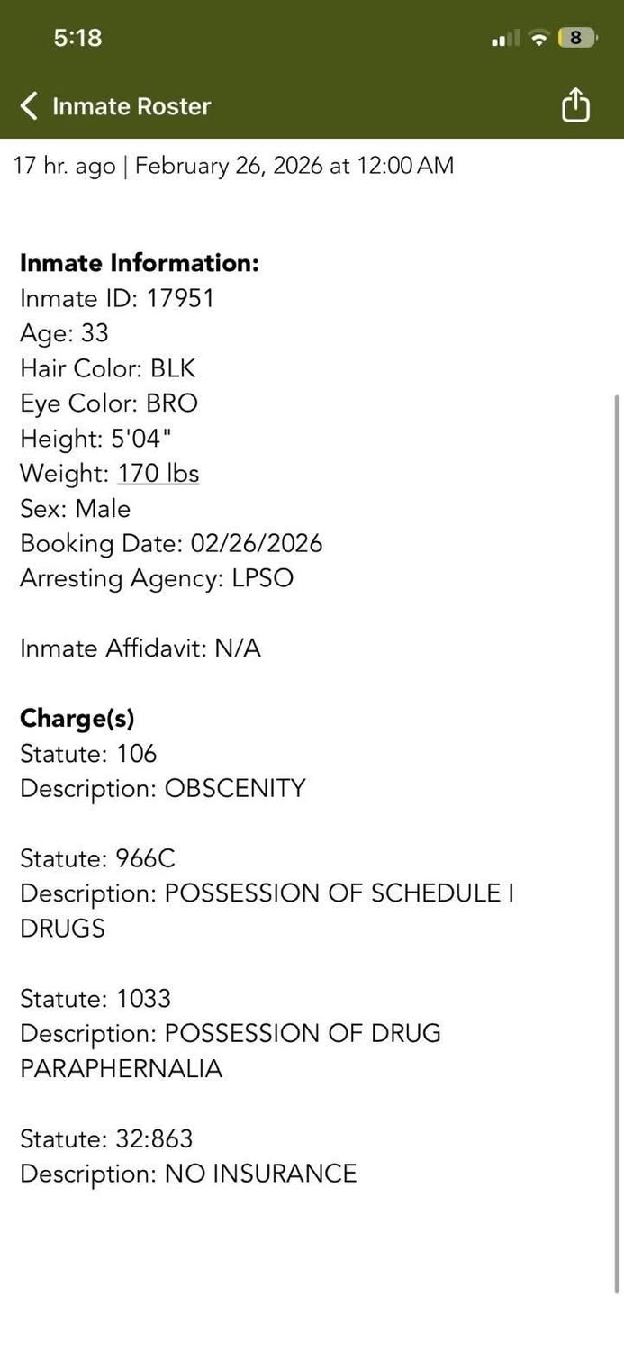
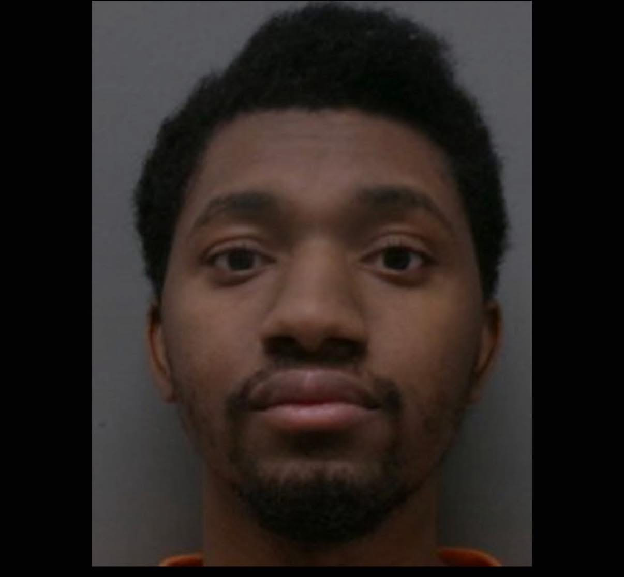
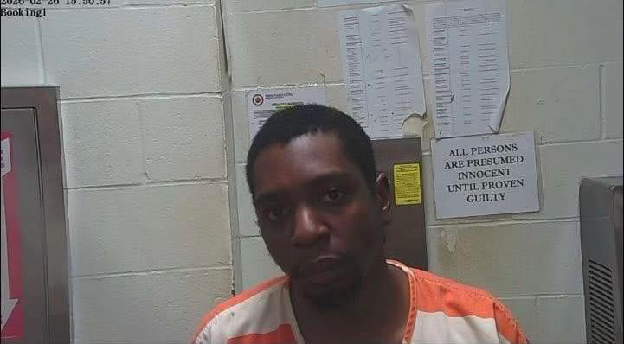
    Derrick Hall, who is allegedly a police officer in Delhi, has been arrested by LSPO for drug charges, obscenity, and no insurance. I have received several tips that he works for the police department but at this time, I have not received a response to officially confirm. Some tipsters also say that he has other criminal offenses from the past. I have found a few of those charges and I’m working to confirm that they are linked to the same individual. This story is ongoing.

    CAN Report Image
    CAN Report Image

  • Questions Raised After Arrest of a Substitute Teacher

    Questions Raised After Arrest of a Substitute Teacher

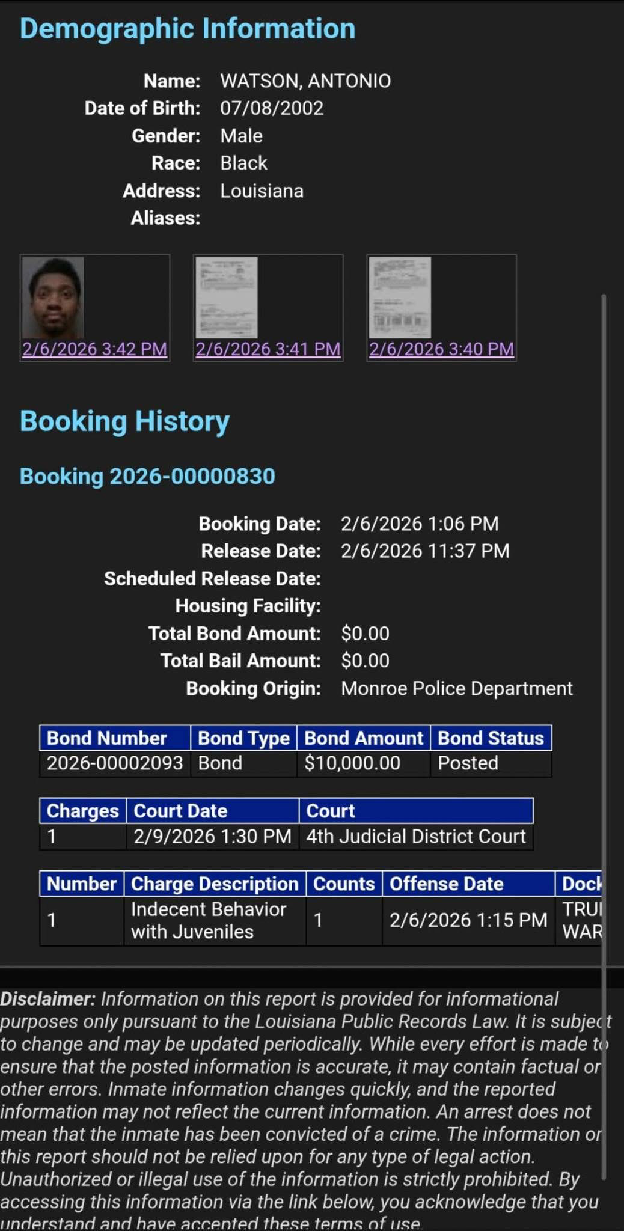
    A substitute teacher at Carver Elementary School was arrested and charged with indecent behavior with juveniles, according to public arrest records. The charge is an allegation, and the case is pending in court.

    The incident is alleged to have occurred on February 4, 2026. A family of one affected student says they were not notified immediately and only learned of the situation after their child disclosed it at home. To protect the child, no identifying information is being released, including gender or grade level.

    One family member briefly made a public post out of concern that other children may have been involved or exposed, noting that multiple students were present in the classroom at the time. The post was later removed after the family became worried that public discussion could further harm or identify the child. The child shared graphic details with their families about the occurrence — and how one child stated they felt trapped under the desk while the act was performed. The family says their intent was never public exposure, but to raise concern that some children may be afraid to speak up, especially if parents were never informed or asked to talk with their children.

    Shortly after that post, the school issued a brief public statement acknowledging that an allegation had been reported and referred to law enforcement, stating that the matter was under investigation and that no further comments could be made at that time. According to the family, that statement is the primary communication they have received.

    According to the family, they attempted to file a police report themselves but say they were unable to do so initially because they were not provided with key information, including the name of the substitute teacher involved. The family says they requested this information from the school and were denied access at the time, leaving them unable to complete a report without identifying details. They are now seeking clarity on why that information was not made available to them sooner and whether this aligns with district policy when parents are attempting to report alleged criminal conduct involving their child.

    One family reports the child is now experiencing severe anxiety and trauma-related symptoms and says no counseling or support services have been offered unless the family requested it. They are asking why parents of children who were present were not notified directly, whether additional students may have been affected, and what protocols exist to support children in situations involving alleged sexual misconduct.

    Because the school has publicly stated that no further comment is available, they are not currently providing additional statements. This remains an ongoing story. I am working closely with the family privately to advocate for them while prioritizing the child’s safety and well-being, and I will share updates as information can be responsibly confirmed.

    TLDR:
    A substitute teacher was arrested and charged with indecent behavior with juveniles. A family says they were not promptly notified, fears other children may have been affected, and worries some may be afraid to speak up because parents were not informed. The school issued a brief statement and says no further comment is available. This is an ongoing investigation.

    CAN Report Image
    CAN Report Image

  • Industrial Groundwork in Ouachita Parish?

    OPPJ — Public Records Review

    Over the past few weeks, I’ve been digging through Ouachita Parish public records. Looking at budgets, meeting minutes, audit reports, and capital outlay documents. I’m trying to better understand how parish tax dollars are being spent and what long-term plans may be underway.

    One pattern that stands out in the records is the parish’s repeated use of two categories: East Ouachita Economic Development Capital Outlay and West Ouachita Economic Development Capital Outlay. These funds appear throughout the financial documents and meeting minutes and are specifically tied to economic development spending.

    In plain terms, “capital outlay” usually refers to money used for large projects such as infrastructure, engineering work, planning, and development preparation. It is different from routine expenses like payroll or daily operations. Capital outlay funds are typically used when a government is investing in long-term projects.

    The documents show the parish approving funding connected to planning, engineering work, and infrastructure improvements under these economic development categories. While the records do not name a specific company or project, these types of expenditures are often associated with early-stage development planning.

    Another detail that appears consistently in the records is the geographic separation of spending between East Ouachita and West Ouachita. That type of distinction can sometimes indicate that development planning is being focused in particular areas of the parish rather than applied evenly everywhere.

    In many communities, the early phases of industrial or large-scale economic development follow a fairly predictable pattern:

    1. Engineering or feasibility studies are approved
    2. Infrastructure planning begins (roads, utilities, site preparation)
    3. Capital outlay funds are allocated
    4. Sites are prepared or certified for development
    5. A company announcement may happen later

    The documents reviewed so far appear to show activity that fits within the early stages of that process. However, the records themselves do not identify a specific industry, company, or project.

    Another interesting piece of the puzzle is that some of the investments appear tied to infrastructure and development planning that could support large projects requiring significant utilities, broadband access, or transportation access. Those types of investments are often made years before any official announcement is made.

    To be clear, this does not mean a specific industrial project or company has been confirmed. What the documents show is that the parish has been allocating funds and approving planning activity tied to economic development infrastructure.

    At this stage of the investigation, the goal is simply to understand what these funds are being used for and what long-term development plans may exist.

    I am still requesting types of documents that often provide more detail about whether a parish is preparing land for future industry or large employers.

    As always, I want to be clear that I am not an attorney and not claiming wrongdoing. My goal is simply to review public records and help make complex government documents easier for the community to understand.

    Public information helps everyone better understand how our local government is planning for the future. We deserve to be informed. As I look through the OPPJ meeting minutes, I haven’t found any public information on plans for industrial development but in my opinion, the financial records seem to indicate that is the direction they are heading. I wonder at what point a public announcement would be made?

  • Where Did the COVID Relief Money Go?

    OPPJ — ARPA Spending Review

    I’m not an attorney or an accountant. I’m simply a citizen reviewing public records and trying to understand how public funds are being used.

    One of the biggest questions that came up during this review is this: How was the federal COVID relief money actually spent in our parish?

    What ARPA Funds Are

    During the COVID-19 pandemic, the federal government passed the American Rescue Plan Act (ARPA). This program sent millions of dollars to local governments, including Ouachita Parish. These funds were intended to help communities recover from the pandemic through things like:
    – Public health responses
    – Economic recovery
    – Infrastructure improvements
    – Assistance to nonprofits and community organizations
    – Replacing lost government revenue

    Because this was federal taxpayer money, it’s important that the public understands where it went and what it was used for.

    What the Records Show

    After reviewing the ARPA reports and spending records, the funds appear to have been distributed across several different areas. Examples include funding for:
    – Infrastructure and capital projects
    – Workforce development initiatives
    – Nonprofit and community programs
    – Economic development efforts
    – Administrative and professional services

    Some funding was directed toward organizations and community programs, while other funds went toward planning, infrastructure improvements, and regional development projects. Many of these uses fall within categories that were permitted under federal ARPA guidelines.

    However, one thing becomes clear when reviewing the records: the spending is spread across many different departments and reports.

    Why That Matters

    Because ARPA money was distributed across multiple programs and funds, it becomes difficult for the public to quickly answer a simple question: How much money went to each project, and what outcomes did it produce?

    Instead of one simple list, the information appears across:
    – Multiple departments
    – Multiple projects
    – Multiple financial reports
    – Multiple funds

    That means it takes significant time digging through records to piece together the full picture.

    Questions Worth Asking

    Based on the documents reviewed so far, there are a few questions that naturally follow:
    – How were projects selected for ARPA funding?
    – How much of the allocated money has actually been spent?
    – What measurable results are tied to these projects?
    – Were these spending decisions clearly discussed in public meetings?

    These aren’t accusations. They’re simply the kinds of questions communities ask when millions of taxpayer dollars are involved.

    Why Transparency Matters

    Federal COVID relief funds were meant to help communities recover from a historic crisis. Because of that, the public deserves to understand:
    – Where the money went
    – How the decisions were made
    – What benefits the community received

    Public records exist for exactly this reason. As I continue reviewing documents, I’ll continue sharing what I find so the community can better understand how these funds were used.

  • OPPJ Financial Review — Part 3

    Disclaimer: I am not an attorney or a CPA. This post is based on publicly available documents and audit reports. If something is incorrect, I welcome clarification.

    These are coming out as I get responses on my public record requests. I have my own suspicions and will tie it together at the end in an opinion piece. But for now, I’m laying the groundwork of what is documented.

    Over the past few weeks, I’ve been reviewing:
    – The 2024 Independent Audit
    – Financial records obtained through public records requests
    – ARPA (COVID relief) spending
    – Capital project fund summaries

    Here’s what stands out so far.

    1. The 2024 Audit Was Filed Late

    The audit itself says it was not submitted within the required deadline. In my opinion, late audits can point to administrative or internal control problems.

    2. Part of the Financial Picture Was Missing

    The auditors gave a clean opinion on the main government finances. However, they issued an adverse opinion on certain “component units” because those entities were not included in the financial statements.

    In simple terms: some legally separate entities connected to OPPJ were not included in the report. That affects transparency — not necessarily legality — but it limits the full picture.

    3. ARPA Reporting Was Off by $382,277

    The audit states that ARPA (federal COVID funds) reporting to the U.S. Treasury understated expenditures by $382,277. That does NOT automatically mean money was stolen. It means the reporting to the federal government was inaccurate and needed correction. That’s something that should be reconciled carefully.

    4. A $697,776 Accounting Correction Was Made

    The audit shows a prior-year correction involving $697,776 that had been classified incorrectly. This confirms that financial misclassifications have happened.

    5. There Is Ongoing Litigation Exposure

    The audit notes at least one lawsuit where potential liability could range from $1 million to $3 million if the outcome is unfavorable. That matters when evaluating legal spending and risk management.

  • What’s Going On Between the Judges and OPPJ — Part 2

    Deep Dive into OPPJ

    Disclaimer: I’m not an attorney. This is just my understanding based on public documents.

    • All of the sitting judges in the 4th Judicial District Court are listed as plaintiffs in a separate lawsuit against the Ouachita Parish Police Jury (OPPJ).
    • Because of that lawsuit, they stepped aside (recused themselves) from the Frost Tower case to avoid any appearance of conflict.
    • Court revenue from fines and fees has gone down in recent years.
    • The judges asked OPPJ for more funding to help cover expenses.
    • OPPJ increased funding for the judges from about $118,000 in 2022 to $525,000 in 2023.
    • Budget documents also show the Parish’s General Fund is under increasing financial pressure.

    To better understand the financial side, I’ve submitted a public records request asking for:
    – Payments made to outside lawyers (2023 to now)
    – Contracts and invoices for those legal services
    – Budget line items for legal expenses

    This isn’t about picking sides. It’s about understanding what’s happening and how taxpayer dollars are being used.

    I’ll continue sharing updates as documents come in — and I’ll stick to what can be proven.